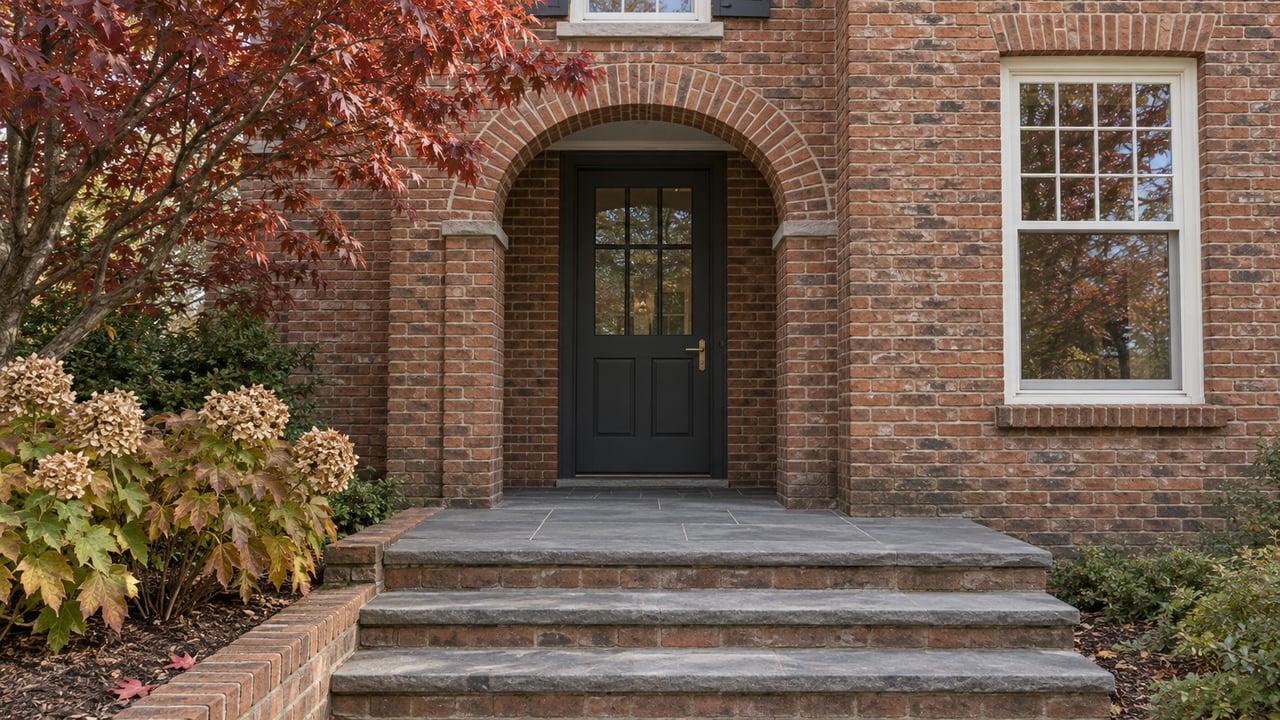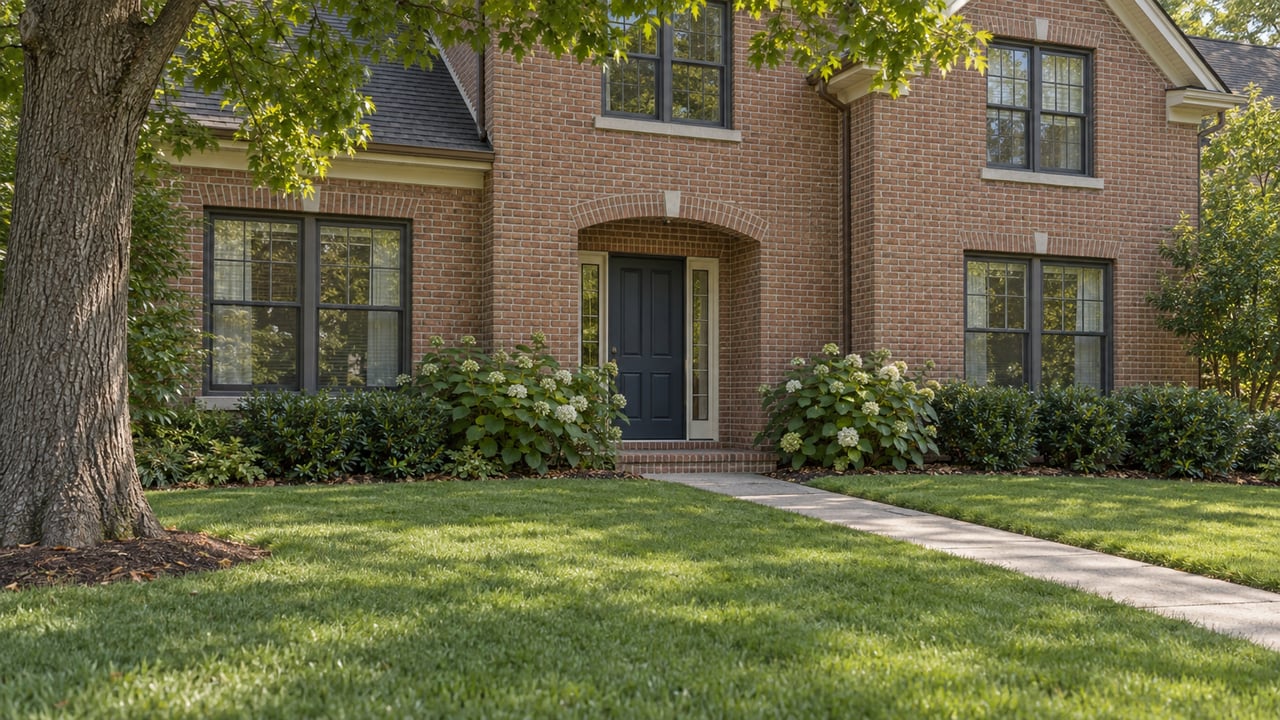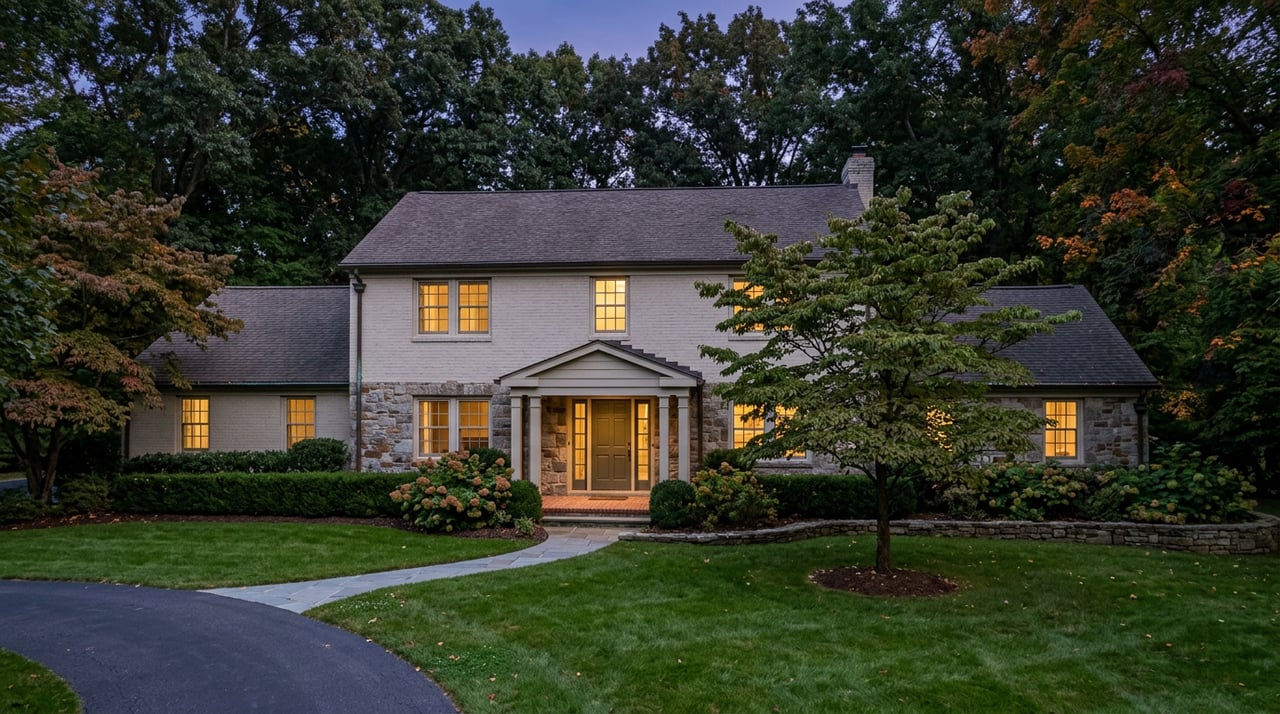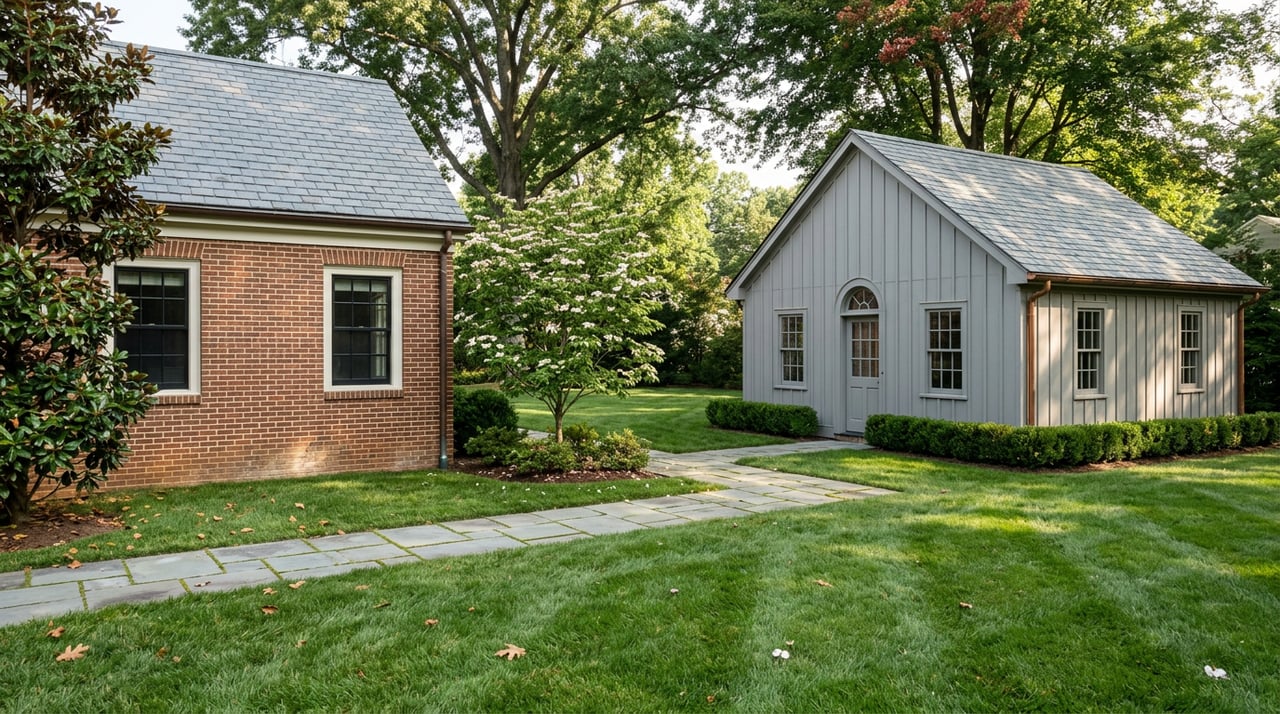
Two homeowners in Fairfax Station read the same headline this spring. One lives west of Route 123 on five acres, the kind of lot where a fence line disappears into tree cover before you can see the neighbor's roof. The other lives east of the highway, in a subdivision where the driveway ends about forty feet from the curb. Both had been thinking about a small second home on the property, a place for a parent who needs to be closer, an adult child saving for their own down payment, or a long-term tenant to help with the mortgage. Both saw that Virginia had just made accessory dwelling units a statewide right.
Only one of them is actually closer to building anything. The reason has nothing to do with the new law itself. It has to do with a rule that was already on the books before this year's General Assembly session even opened.
The Law Everyone Heard About
Governor Abigail Spanberger signed Senate Bill 531 on April 13, 2026, after Senators Kannan Srinivasan of Loudoun and Saddam Salim of Fairfax carried the measure through several prior sessions before it finally passed. The law requires localities to treat accessory dwelling units as a permitted use in single-family zones, caps the permit fee at $500, removes most parking mandates, limits how far a locality can push an ADU's setback beyond five feet from the property line, and drops the old requirement that the person living in the ADU be related to the person living in the main house.
"I'm glad we're finally moving forward with practical housing options."
That was Senator Salim's reaction after the signing. The House ran a matching version of the reform, HB 611, whose language you can read directly through the Virginia legislature's own bill tracker. Both versions carry a delayed effective date of July 1, 2027, which means the clock is still running. It hasn't started yet.
Why Fairfax County Sits This One Out
Here is the part most coverage of the new law skips past. SB 531 exempts any locality that already had its own accessory dwelling ordinance in place before January 1, 2026. Fairfax County had one. So did Arlington and Alexandria. That exemption means the county is not required to adopt the state's by-right framework, the $500 fee cap, or the relaxed setback rule when July 2027 arrives. Fairfax County's own accessory living unit ordinance, the one already governing lots in Fairfax Station today, keeps applying unless the Board of Supervisors chooses to change it on its own.
That distinction matters more here than almost anywhere else in Northern Virginia, because Fairfax Station's housing stock was built around exactly the kind of large, private lots that make the county's existing rule relevant right now, not two years from now.
What Actually Governs a Fairfax Station Lot Today
Fairfax County calls these units ALUs rather than ADUs, and it treats an attached or interior unit very differently from a detached one.
| Attached or interior ALU | Detached ALU | |
|---|---|---|
| Minimum lot size | None | 2 acres |
| Size cap | 800 sq ft or 40% of the main home's floor area, whichever is smaller | Same cap applies |
| Approval path | Administrative permit | Additional Special Permit through the county's Zoning Evaluation Division |
| Typical timeline | 4 to 12 weeks | 3 to 6 months or more |
An interior conversion, a basement suite or a room over the garage, doesn't care how big your lot is. A detached cottage in the backyard does. Two acres is a little over 87,000 square feet, something like a football field and a half. Most homeowners underestimate how much land that actually requires until they check their parcel against the county's own land records.
The Line Down the Middle of the Neighborhood
Fairfax Station itself is split by Route 123, with larger, more isolated properties on one side of the highway and denser subdivisions on the other, a pattern that predates this entire policy debate. That split shows up in the listings. Neighborhoods like Ox Hunt Estates and Smoke Rise sell five-acre parcels, the kind built for long driveways and genuine separation from the next roofline. Planned neighborhoods like Crosspointe run on a far smaller scale, and townhouse communities like Woodlynne smaller still.
A homeowner on five acres in Ox Hunt Estates or Smoke Rise already clears the bar for a detached ALU today, assuming they're willing to go through the Special Permit process. A homeowner in Crosspointe or Woodlynne doesn't clear it now and won't automatically clear it in July 2027 either, because the state law that would otherwise apply doesn't reach a county that already regulated this before the cutoff date.
The Rule Everyone Assumes Might Change
The county isn't ignoring the pressure. Earlier this year, Fairfax County ran a public survey on whether to loosen its own ALU rules, including a proposal to drop the detached-unit lot minimum from two acres down to 15,000 square feet, a little over a third of an acre. According to an analysis of that proposal, cutting the threshold to 15,000 square feet would raise the share of Fairfax County's detached single-family homes eligible for a detached ALU from roughly 4.7 percent to about 39 percent. That would be a real shift for Fairfax Station's smaller-lot subdivisions currently locked out. As of this summer, the Board of Supervisors had not adopted it.
Even where a lot already qualifies, approval isn't automatic. A Northern Virginia smart-growth advocacy group reviewing the county's own permitting data found that only 158 of 407 recent ALU applications were approved, evidence that the special permit process filters out a meaningful share of projects even on lots that meet the acreage rule.
It's also worth watching what a neighboring jurisdiction just did. The City of Fairfax, a separate government from Fairfax County despite sharing a name, voted 4-2 on July 28, 2026 to allow detached accessory dwelling units by right within city limits, well ahead of the state's 2027 deadline. That single vote shows how differently two governments sitting a few miles apart can move on the exact same question, which is useful context for anyone assuming every jurisdiction in the region is on the same timeline.
What This Means If You're Comparing Fairfax Station to Somewhere Else
If a detached accessory unit is part of why you're looking at Fairfax Station, the news about Virginia's new ADU law is not the number to anchor on. The number to anchor on is your parcel's acreage, which you can check against the county's own land records before you get attached to a floor plan. A multi-acre lot may already qualify under the county's current rule, which means the relevant question becomes how long the Special Permit process will take and whether you'll want professional help filing it. A quarter-acre or third-acre lot means waiting on a county proposal that had not yet been adopted as of this summer, not a state deadline that will do the work for you.
Either way, this is the kind of detail that separates a plan from a hope. A five-acre lot and a third-acre lot in the same zip code are not making the same bet.
FAQ
Does Virginia's new ADU law apply automatically in Fairfax Station? No. Fairfax County had its own accessory dwelling ordinance in place before January 1, 2026, which exempts it from the state's new by-right framework taking effect July 1, 2027. The county's existing rules keep governing unless the Board of Supervisors updates them separately.
How much land do I need for a detached accessory unit today? Fairfax County currently requires a minimum 2-acre lot for a detached accessory living unit, along with an additional Special Permit through the county's Zoning Evaluation Division.
What if my lot is smaller than two acres? An interior or attached unit has no minimum lot size requirement, though it's capped at 800 square feet or 40 percent of the main home's floor area, whichever is smaller, and is approved administratively rather than through the special permit process.
Could the two-acre rule change? Fairfax County has floated a proposal to lower the detached-unit minimum to 15,000 square feet, which would significantly expand how many homes qualify. As of this summer, that proposal had not been adopted.
Whether you're weighing a multi-acre estate lot against a standard subdivision parcel, or trying to figure out what a specific Fairfax Station property actually allows before you make an offer, this is exactly the kind of local detail worth getting right before you're under contract. Pat Fales and Pam Morgan Associates has spent years working these streets on both sides of Route 123. Contact Us if you want a straight answer on what your lot, or the one you're considering, can actually support.