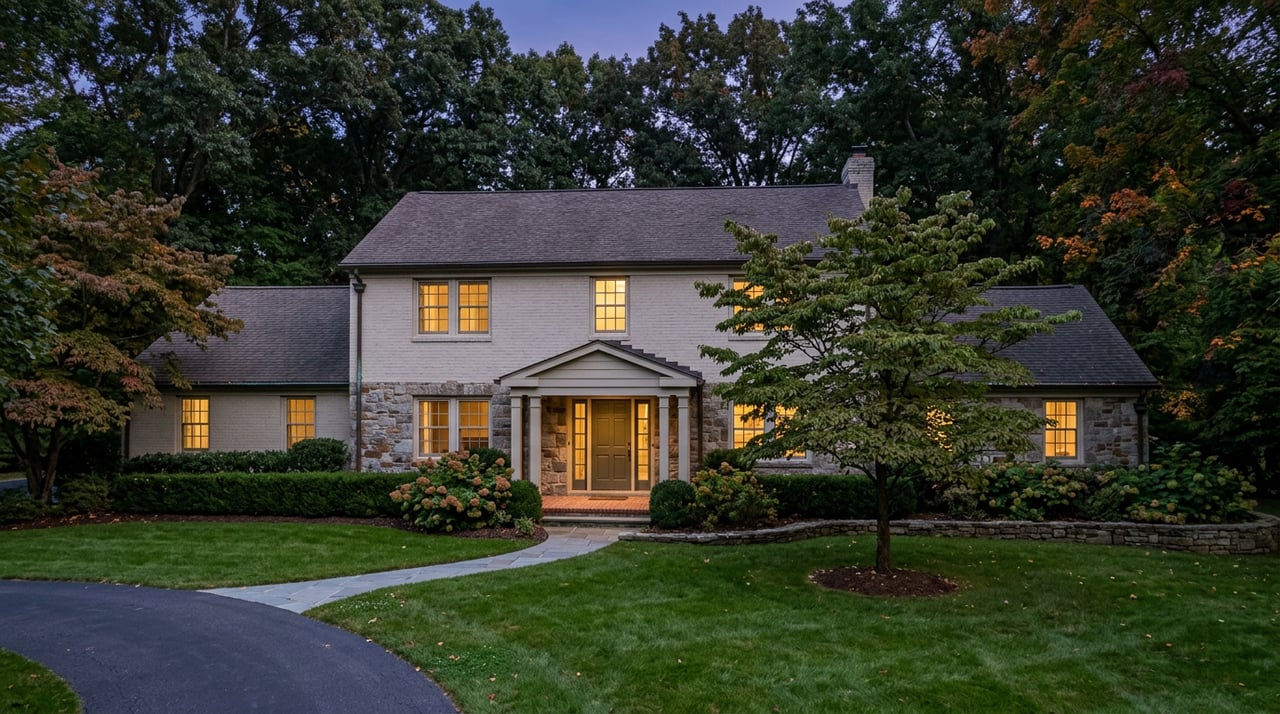
A buyer scrolling listings under "Clifton, VA" this fall will hit a wall of numbers that refuse to agree with each other. One home near Main Street lists in the mid-$600,000s. Ten minutes away, a five-acre property with a barn lists at $2.8 million. One portal's monthly snapshot in September 2026 put Clifton's median list price at $1.17 million with just 27 homes on the market. A different tracker's three-month window through July 2026 showed the average sale price at $1.25 million while the median for the same stretch came in around $355,000, a gap no single neighborhood produces on its own.
That is not a data error to shrug off. It is a clue. Clifton is not one real estate market wearing one ZIP code. It is two, and the line between them was drawn by two separate governments for two separate reasons, decades apart.
Two Towns Under One Address
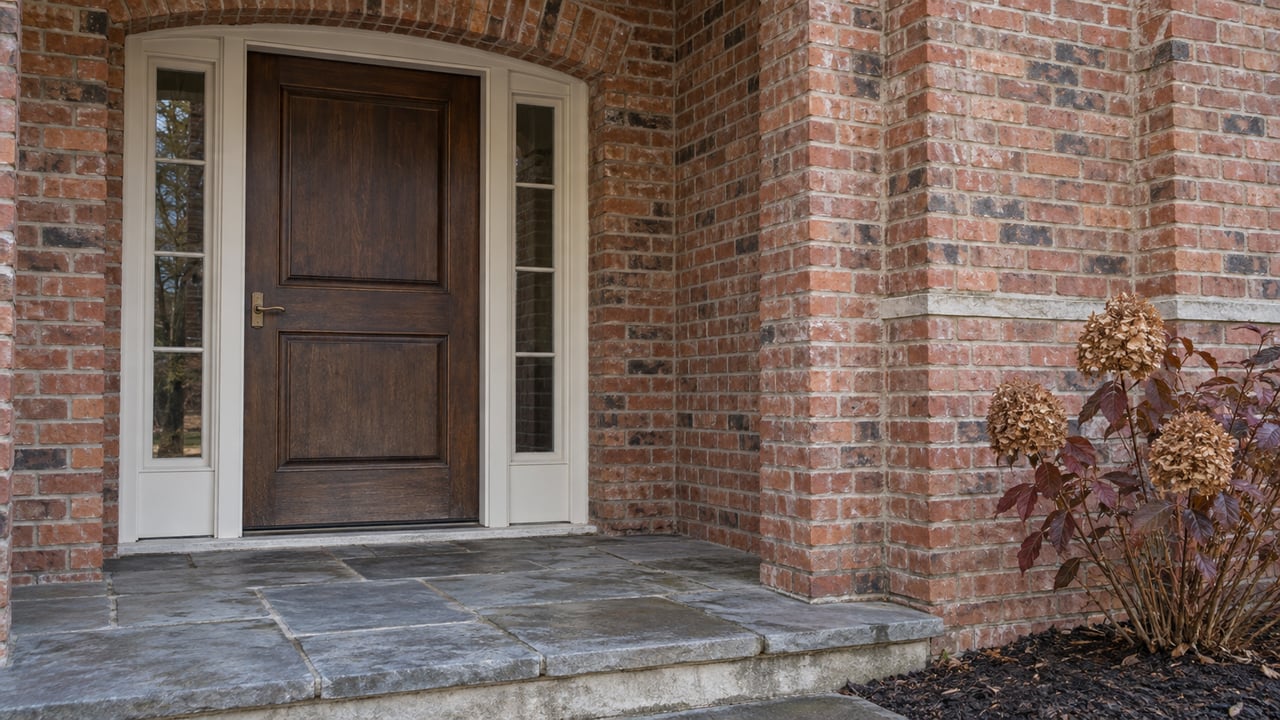
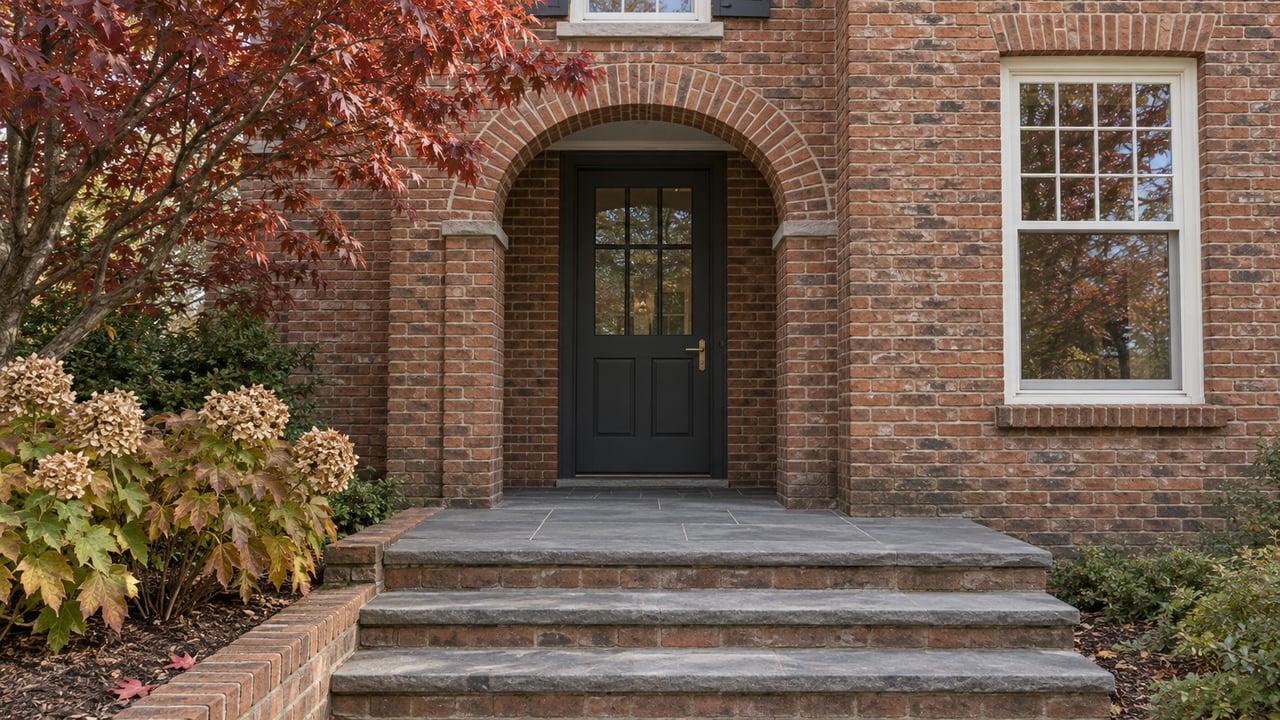
The incorporated Town of Clifton was chartered by the Virginia General Assembly on March 9, 1902. It covers roughly a quarter square mile, about 0.2 square miles by most measures, and counted 243 residents at the 2020 census. Inside those boundaries sits the Clifton Historic District, listed on the National Register of Historic Places on August 15, 1985, a compact 42-acre cluster of late-19th and early-20th-century railroad-village buildings along Main Street.
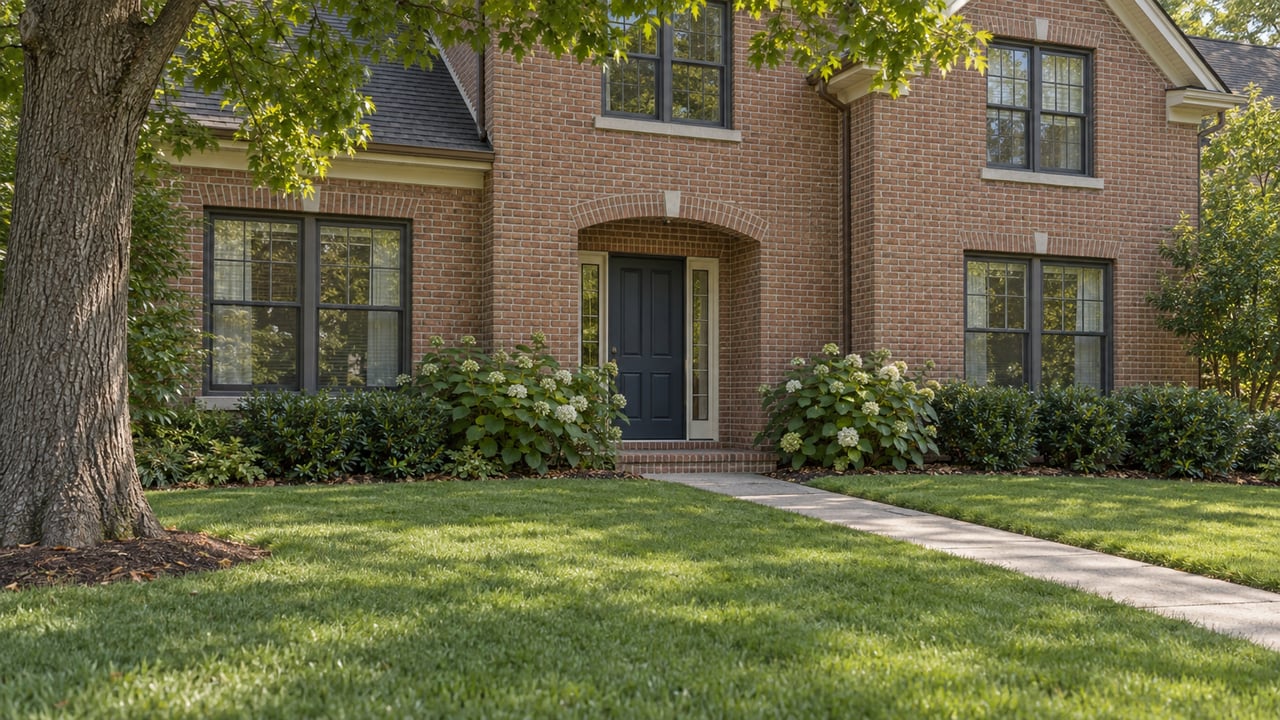
Almost everyone who searches "Clifton, VA 20124" is looking at homes that sit outside those town limits. The 20124 postal area stretches far beyond the quarter-square-mile town, across a wide swath of unincorporated southwestern Fairfax County. Most of what buyers call "Clifton real estate" is technically county land that simply shares the same mailing address as the historic town.
That distinction is not trivia. It is the reason the price data looks broken.
The Rule That Drew the Line
Inside the town, Clifton writes its own zoning ordinance. The town's zoning ordinance sets minimum lot sizes. But the historic village itself predates that rule by nearly a century. Homes built between the 1880s and 1910s sit on small village lots.
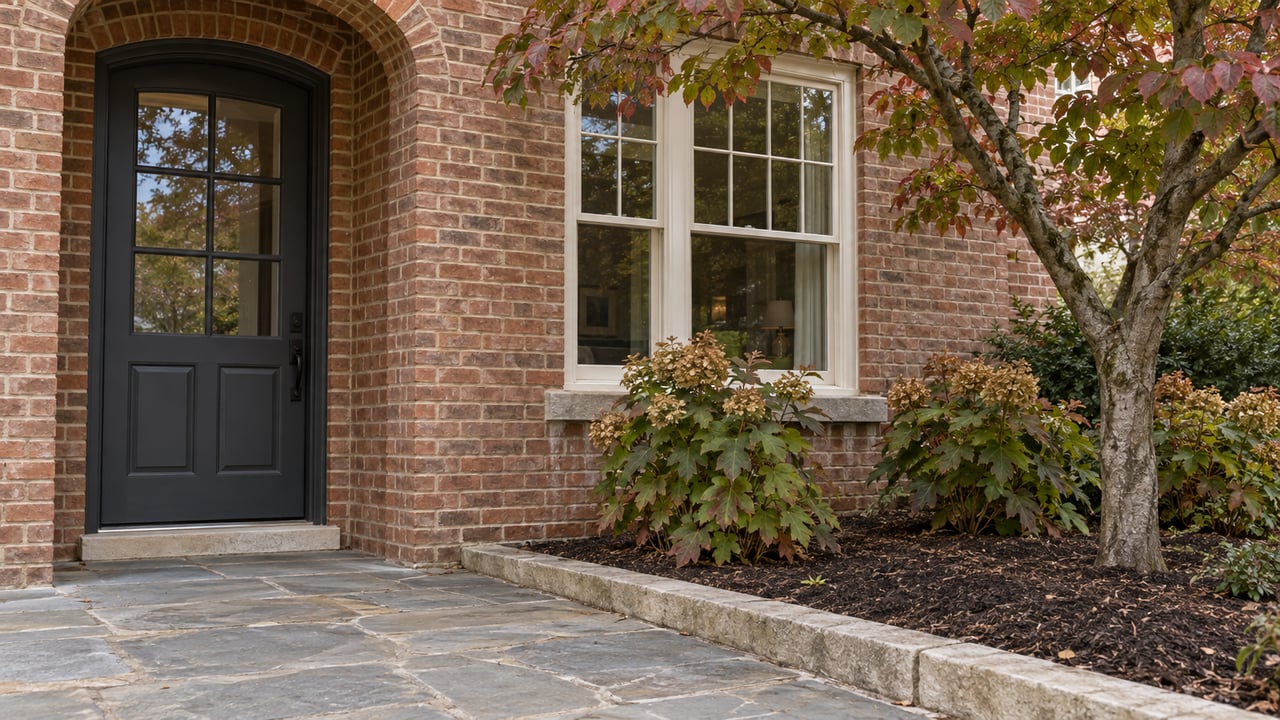
Step outside the town line and a different rule takes over. In 1982, Fairfax County established the Watershed Protection Overlay District to protect the Occoquan Reservoir, a primary drinking water source for the region. The overlay restricts development to one residential dwelling per five acres across a large share of the surrounding land, and much of the county land bordering Clifton falls under it. The underlying zoning in that area is R-C, and the countryside north and west of the historic village is horse country rather than another subdivision.
So a buyer comparing two "Clifton" listings side by side is often comparing a 19th-century village lot against a five-acre parcel in the watershed overlay. Same ZIP code. Different rulebook.
What That Actually Buys You
Local market commentary and current listing activity sort into three rough bands, and the gaps between them are the story:
| Area type | Typical price band (2026) | What drives the price |
|---|---|---|
| Historic village, in-town lots | Around $650,000 and up | Small lot size, walkable Main Street |
| Pleasant Valley Estates / Compton Road corridor | Roughly $900,000 to $1.8 million | One to five acre custom and semi-custom homes, lot orientation and tree cover driving variation between neighbors |
| Multi-acre equestrian and estate parcels | Roughly $2 million to $4 million-plus | Five-plus acres, watershed overlay density limits, barns, fencing, and pasture condition |
A current snapshot of equestrian listings in the broader Clifton area showed an average asking price near $1.4 million, working out to roughly $200,000 per acre, a figure that reflects how much of the price on that end of the market is really a price on the land and the right to keep horses on it, not the square footage of the house.
Why the Median Swings Like a Seismograph
With an inventory this thin, a handful of closings can flip the aggregate numbers entirely. One portal counted just 27 active listings across the whole Clifton market in September 2026. When the sample is that small, a single $4 million equestrian sale closing in the same month as a $650,000 village cottage will send the reported average and median in opposite directions, even though nothing about either property changed.
That is almost certainly what produced the gap between the $1.25 million average and the $355,000 median in one tracker's three-month figures through July 2026. Those are not two views of a stable market. They are two very different kinds of homes landing in the same statistical bucket for a few months, then swapping places the next quarter.
The practical takeaway is not to distrust the data outright. It is to stop reading month-over-month percentage changes for Clifton as if they describe a trend. A double-digit swing here usually describes which five or six homes happened to close, not which direction the market is moving. The more useful question is what specific comparable sales exist for the type of parcel you actually want, village lot or acreage, not what the blended number says this month.
The Checklist Changes Depending on Which Clifton You're In
Most of the area, in-town and out, runs on well and septic. Public sewer generally does not reach the historic core or the surrounding rural land, so that check applies almost everywhere. From there, the diligence splits by which Clifton you are buying into.
- Village lots inside the historic district: Ask early what the town's process requires for the specific change you're planning.
- Acreage outside the town line: confirm whether the parcel sits inside the Watershed Protection Overlay District before assuming you can add a barn, a second dwelling, or additional impervious surface. The overlay's one-unit-per-five-acres rule can also affect whether a large parcel could ever be subdivided.
- Equestrian-use land: Fencing condition, pasture management, and outbuilding quality vary enormously between otherwise similar acreage and should be walked, not just toured.
Comparing Clifton to Its Neighbors
Buyers weighing Clifton against nearby Fairfax Station are often comparing two semi-rural areas that feel similar on a map but read differently on the ground. Clifton has something Fairfax Station does not: a walkable historic village center with its own commercial cluster along Main Street. Fairfax Station is more spread out, without that kind of central hub, which changes the day-to-day feel even where lot sizes and price points overlap.
School assignment is another place where "Clifton" splits rather than staying uniform. Elementary-age children across the area generally attend Union Mill Elementary, but middle and high school boundaries branch two ways from there, some zoned to Robinson Secondary School and others to Liberty Middle School and Centreville High School depending on where the specific parcel sits. That is a planning detail worth confirming for any address you're seriously considering, not an assumption to carry over from a neighbor's mailing address.
Frequently Asked Questions
Is there an actual walkable downtown in Clifton? Yes, inside the historic district along Main Street. The much larger 20124 postal area that surrounds it is mostly wooded, low-density county land without that kind of center.
Do homes inside the historic village still use well and septic? Most do. Public sewer generally does not extend into the core village or the surrounding rural land, so well and septic condition matters almost everywhere in the area, not just on the larger rural parcels.
Can I keep horses on any property with a Clifton address? A parcel inside the town's historic district or inside the county's watershed overlay has its own restrictions worth checking before you assume a use is allowed.
Why did the online estimate for Clifton change so much from last month? The active inventory is small enough that one or two closings at either end of the price range can swing the reported average or median by a large margin. Treat those month-over-month headlines as noise rather than a trend until you look at the specific comparable sales for the type of home you're considering.
Clifton rewards buyers and sellers who know which market they're actually standing in before they trust a headline number. Pat Fales and Pam Morgan Associates works this stretch of southwestern Fairfax County regularly, from village lots inside the historic district to acreage under the watershed overlay, and can walk you through which rules apply to a specific parcel before you make an offer or set a list price. Contact us to talk through what your Clifton search should actually be comparing.
This article is general information, not legal, tax or financial advice. Consult a qualified professional about your situation.