Thinking about Fairfax, Virginia? If you want a place that feels connected, residential, and easier to navigate than some larger Northern Virginia communities, Fairfax often lands on the shortlist for good reason. You get a compact city setting, a recognizable downtown core, several housing options, and practical access to the wider region. Let’s take a closer look at what day-to-day life in Fairfax is really like.
Fairfax has a distinct identity
One of the first things to know is that Fairfax is an independent city, not just a neighborhood within Fairfax County. That matters because it gives the city its own civic identity, local character, and a more defined sense of place than you might expect from a suburb.
Fairfax covers about 6.3 square miles and had an estimated population of 26,340 in 2024. The city describes itself as a compact community with a blend of residential, retail, office, and commercial uses, and it notes that Washington, DC is about 20 minutes away. In everyday terms, that creates a setting that feels local and manageable while still staying tied into the larger Northern Virginia and DC region.
The overall feel is suburban with a town center
If you are trying to picture Fairfax, think of it as a middle ground between a traditional suburb and a more center-oriented small city. It has a residential feel, but it is not purely spread out or car-only in character.
A big part of that identity comes from Old Town Fairfax. This area gives the city a visible heart, with civic buildings, gathering spaces, and regular community activity that help daily life feel more anchored. For many buyers, that kind of defined center is part of what makes Fairfax stand out from nearby suburbs.
Old Town adds local character
Old Town Hall, built in 1900, sits in the City of Fairfax Historic District next to Old Town Square. Old Town Square includes a splash pad, gardens, benches, restrooms, and space for concerts and festivals.
That setup supports the kind of casual weekend rhythm many people want. You can picture a quick outing, a community event, or some time outside without needing to leave the city. It helps Fairfax feel like more than just a place where people sleep between workdays.
Housing options are broader than many buyers expect
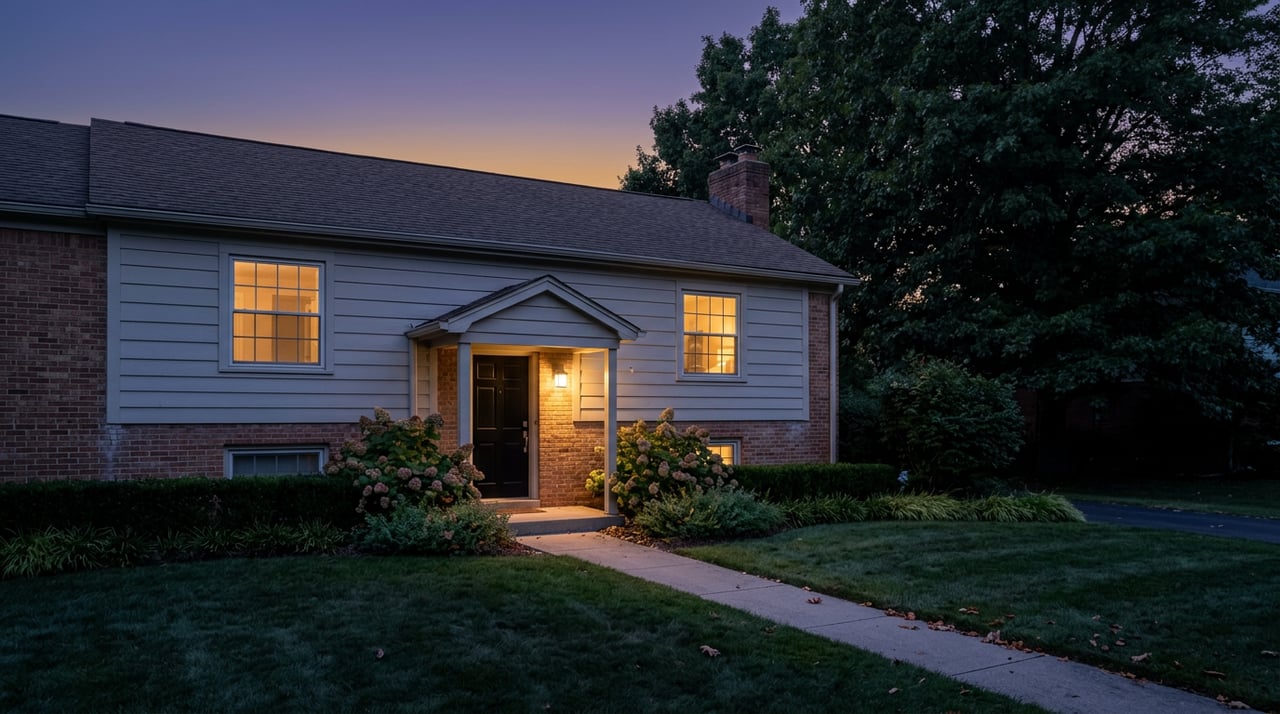
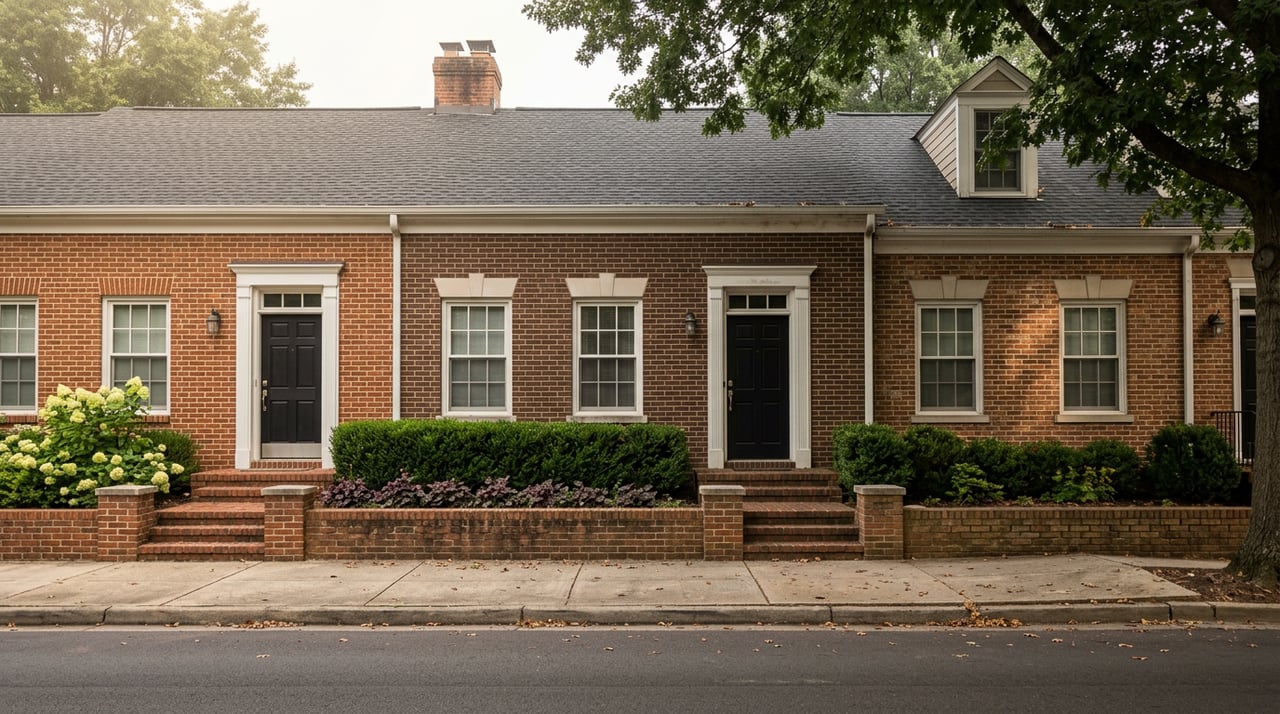
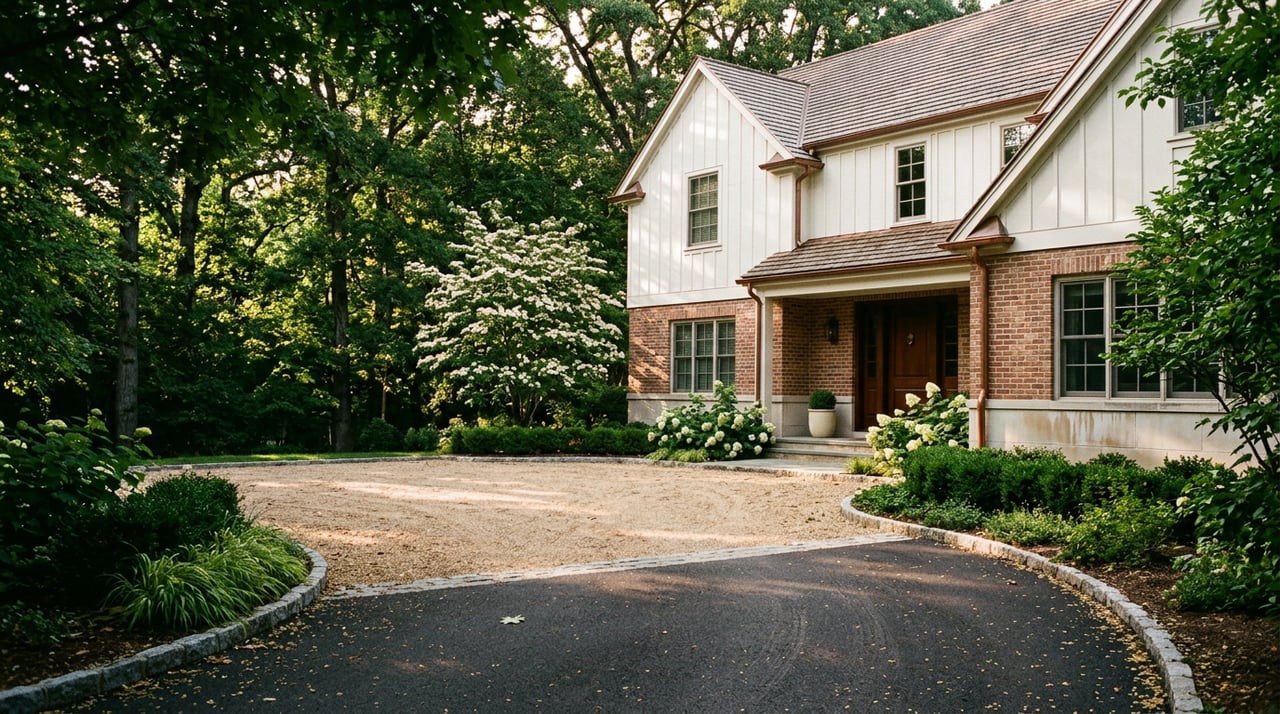
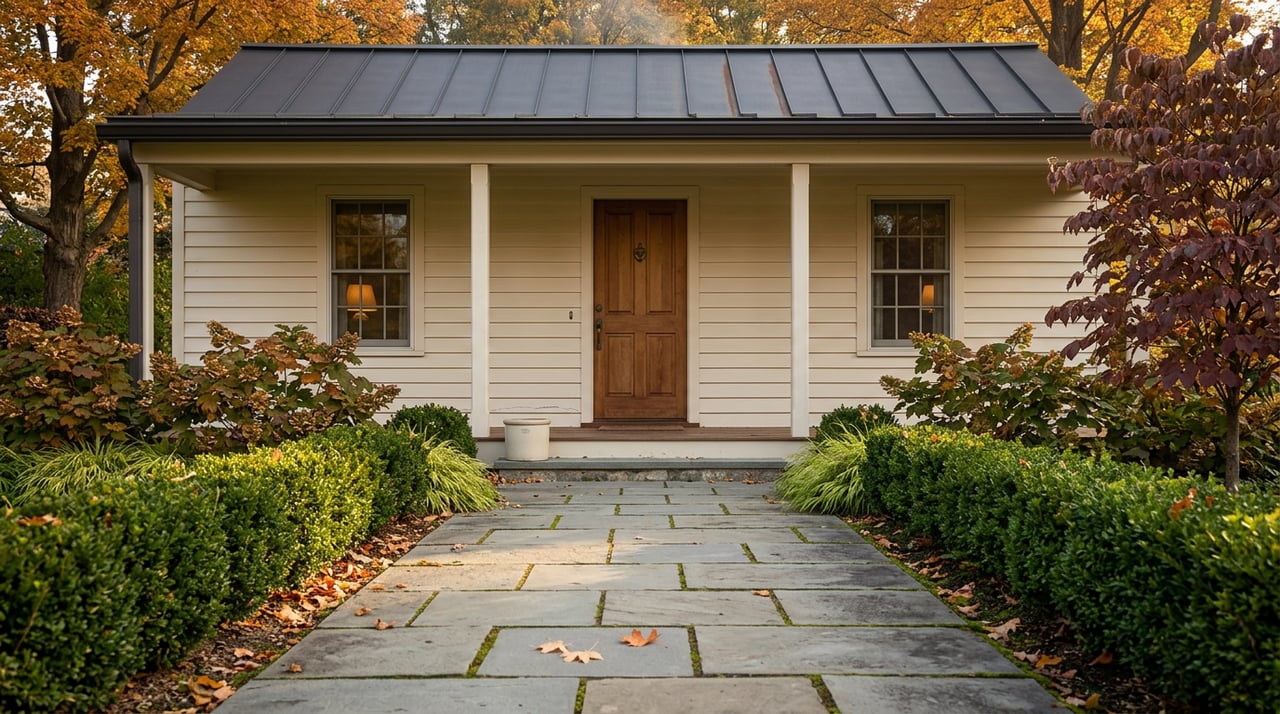
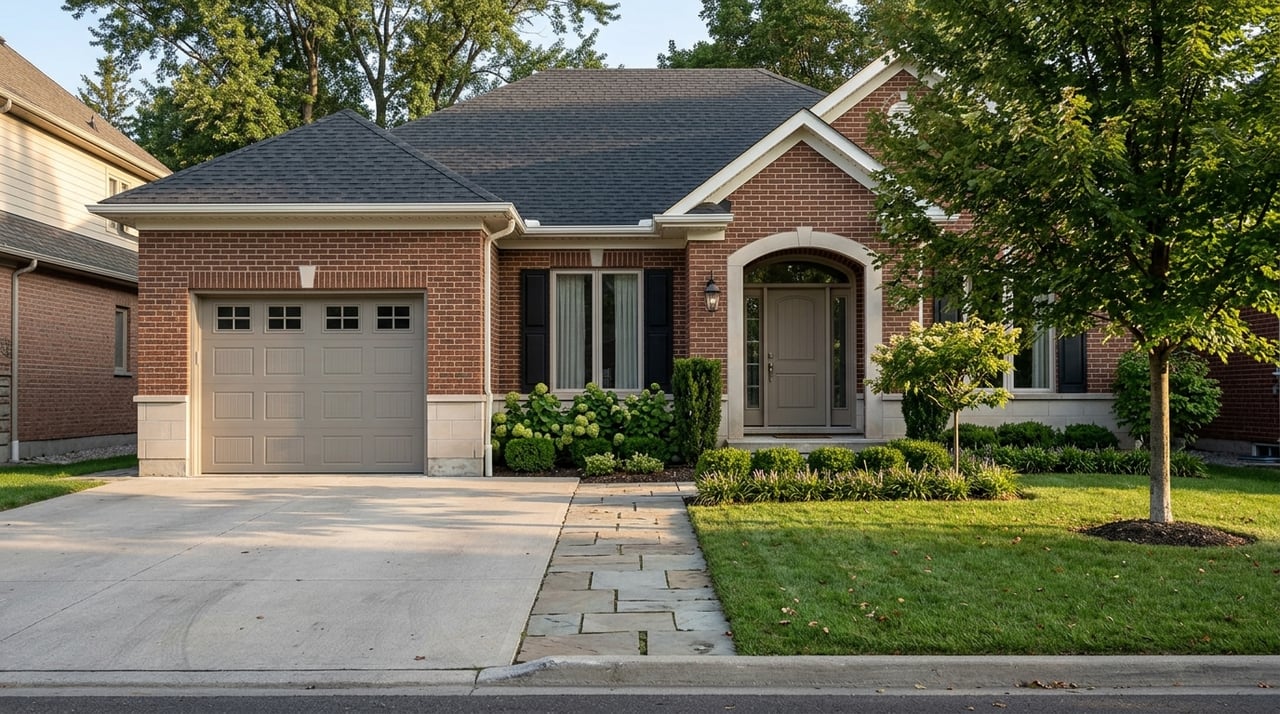
Fairfax is still mostly known for its single-family housing, but the city offers more variety than a simple drive through might suggest. In 2024, the city reported 10,467 housing units, with 64% classified as single-family overall. That includes 47% detached homes and 12% townhouses.
Multifamily housing also plays a meaningful role. About 36% of the housing stock is multifamily, including 14% condo units and 23% apartments. For you as a buyer or future seller, that means Fairfax can work for different life stages, budgets, and space needs.
What that means for buyers
If you want a detached home, Fairfax has a strong supply base for that style of living. If you prefer a townhouse for a lower-maintenance setup or a condo as an entry point into the market, those options are part of the city too.
This mix gives Fairfax flexibility. You are not looking at a one-format housing market, which can be appealing if you are buying your first home, moving up, downsizing, or relocating and still figuring out what kind of space will fit best.
Homeownership is common
The owner-occupied rate in Fairfax is 69.9%, which points to a community with a strong ownership presence. The median owner-occupied home value is $722,600, while average 2024 assessed values were about $739,000 for detached homes, $682,000 for townhouses, and $327,000 for multifamily condos.
For monthly costs, the median owner cost with a mortgage is $3,193, and median gross rent is $2,245. These figures reinforce that Fairfax is a higher-cost Northern Virginia market, but one with multiple housing types that can appeal to different buyers.
Fairfax supports several kinds of daily routines
Some Northern Virginia communities feel almost entirely built around driving. Fairfax is different in that transportation options are part of the city’s everyday structure, even though traffic is still part of life here.
The city’s land-use pattern and transit connections support a practical routine that can include driving, transit, walking around central areas, or mixing several modes depending on your day. That flexibility is part of the appeal, especially for commuters and relocators trying to balance convenience with neighborhood feel.
CUE bus is a real local asset
Fairfax operates the fare-free CUE bus system, which connects destinations throughout the city. Service includes connections to George Mason University, the Vienna/Fairfax-GMU Metrorail station, Old Town, neighborhoods, schools, parks, and other local stops.
Service runs roughly from 5 a.m. to 11 p.m. on weekdays, 8 a.m. to 8 p.m. on Saturdays, and 10 a.m. to 6 p.m. on Sundays. For residents, that creates another option for commuting, errands, campus access, or getting around without using a car for every trip.
Metro and roads expand your reach
The Vienna/Fairfax-GMU station is the final Orange Line stop in Virginia and connects into the broader Metro system. WMATA notes that the station includes parking and bike facilities, which can make it a useful hub if you are commuting farther into the region.
Road access is also a major part of life in Fairfax. The city points residents toward major corridors including I-95, I-395, I-495, I-66, and the Dulles Toll Road. More than 68,000 trips pass through Fairfax each day, and the reported mean travel time to work is 28.0 minutes.
Traffic is still part of the picture
It is helpful to go into Fairfax with realistic expectations. While the city offers good transportation choices, regional traffic pressure is still a real factor in day-to-day life.
That means your experience can vary a lot depending on where you work, what time you travel, and whether you can combine Metro, bus, and driving. For many buyers, commute planning is one of the most important parts of deciding whether Fairfax is the right fit.
Community life feels active and visible
Fairfax offers more civic and community programming than some people expect from a city its size. That can make a meaningful difference in how connected you feel after moving in.
The city highlights recurring events such as Fall for the Book, Spotlight on the Arts, the Chocolate Lovers Festival, Independence Day celebrations, the Fall Festival, and the Holiday Craft Show. These events help create a recognizable local calendar and give residents regular ways to engage with the community.
Parks and trails add everyday livability
Fairfax maintains 279 acres of parkland and more than 21 miles of trails. The parks system includes community gardens, a dog park, picnic pavilions, and special events.
For your daily life, that can mean more options for walking, outdoor time, recreation, or meeting friends and neighbors in public spaces. In a compact city, those features can have a big impact on quality of life.
Cultural and civic spaces strengthen the city feel
Beyond parks, Fairfax also includes the Fairfax County Public Library branch in the city and the Fairfax Museum and Visitor Center near Old Town. George Mason University, located on the city’s southern border, adds cultural and athletic activity to the area as well.
Taken together, those features give Fairfax a fuller local ecosystem. You are not just buying into a housing market. You are buying into a place with gathering spaces, events, and institutions that shape everyday life.
Schools are part of the local framework
Fairfax has its own city-school identity, even though Fairfax County Public Schools operates the city schools through contractual agreements. The city schools page lists Fairfax High School, Katherine Johnson Middle School, Providence Elementary School, and Daniels Run Elementary School.
Fairfax High serves grades 9 through 12, and the city profile lists public school membership at 2,985. If schools are part of your move planning, it is useful to understand that the city has a defined school structure as part of its overall civic identity.
The population mix is broad and established
Fairfax combines a range of ages, household types, and backgrounds. According to the city’s demographic profile, 24.8% of residents are under 18 and 14.1% are age 65 or older.
The city is also notably international and educated by national standards. About 30.6% of residents were foreign-born, 38.4% of people age 5 and older speak a language other than English at home, and roughly 62% of adults age 25 and older have a bachelor’s degree or higher.
That mix can contribute to a community feel that is both established and dynamic. It also reflects Fairfax’s role within the broader Northern Virginia economy and relocation landscape.
Fairfax is not just residential
Another useful point for buyers is that Fairfax has a meaningful employment base of its own. In 2024, the city reported 1,837 employers and 23,381 employees working in Fairfax.
That matters because it helps explain why the city can feel active during the day and why its mix of uses feels more balanced than a purely bedroom community. For some residents, that can translate into shorter commutes, more nearby services, or a stronger sense of local activity throughout the week.
Who Fairfax tends to fit best
Fairfax often makes sense if you want suburban housing choices, commute flexibility, and a recognizable local center. It can be especially appealing if you like the idea of detached homes, townhomes, and condos all existing within the same compact city.
It may also fit well if you value parks, trails, library access, local events, and the presence of civic spaces that make a place feel more connected. For many Northern Virginia buyers, Fairfax offers a practical middle ground: more defined than a conventional suburb, but still comfortably residential rather than urban-dense.
Final thoughts on living in Fairfax
If you are looking for a Northern Virginia community with a clear identity, varied housing, and solid regional access, Fairfax deserves a serious look. Its combination of Old Town character, established neighborhoods, fare-free local transit, parks, and commuter connections gives it a day-to-day rhythm that many buyers find appealing.
Whether you are relocating, buying your first suburban home, or planning your next move within the region, understanding how a city actually lives is just as important as knowing the numbers. If you want help figuring out whether Fairfax fits your goals, Pat Fales and Pam Morgan Associates can help you navigate the move with clear guidance and local insight.
FAQs
What is the overall lifestyle like in Fairfax, Virginia?
- Fairfax tends to feel like a compact suburban city with a defined downtown core, residential neighborhoods, parks, trails, community events, and practical access to the wider Northern Virginia region.
What types of homes are common in Fairfax, Virginia?
- Detached homes make up the largest share of the housing stock, but Fairfax also includes townhouses, condos, and apartments, giving buyers several housing styles to consider.
How do people commute from Fairfax, Virginia?
- Many residents use a mix of driving, the fare-free CUE bus, and the Vienna/Fairfax-GMU Metro station, though regional traffic is still an important part of commute planning.
Does Fairfax, Virginia have a real town center?
- Yes. Old Town Fairfax serves as a visible local center with civic spaces, Old Town Square, events, and nearby cultural amenities.
What makes Fairfax, Virginia stand out from nearby suburbs?
- Fairfax offers a distinct municipal identity, a historic downtown core, a compact footprint, varied housing options, local transit, and active civic programming within a residential setting.